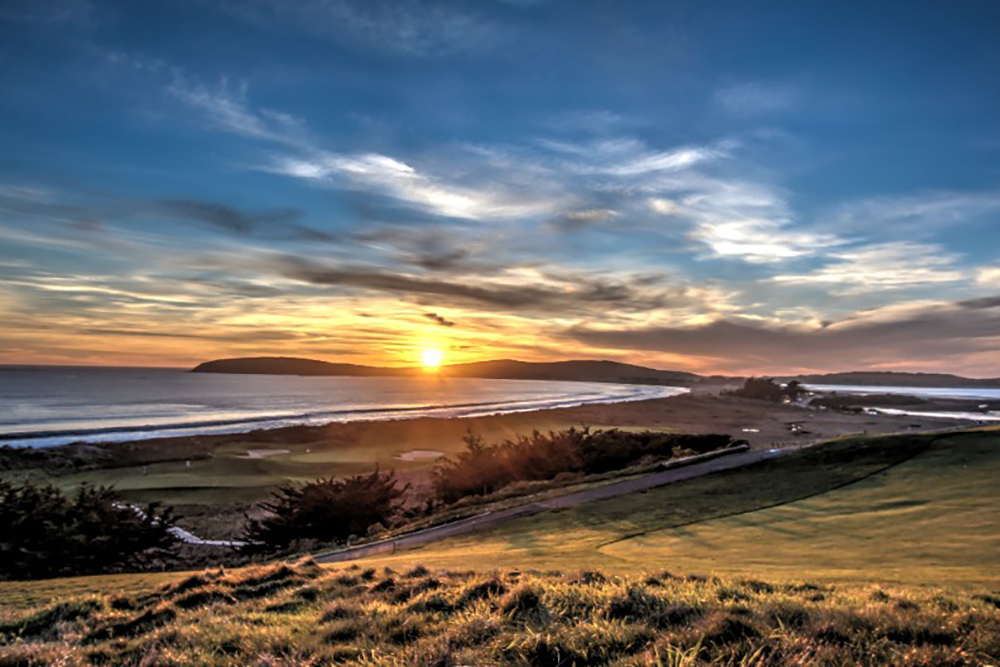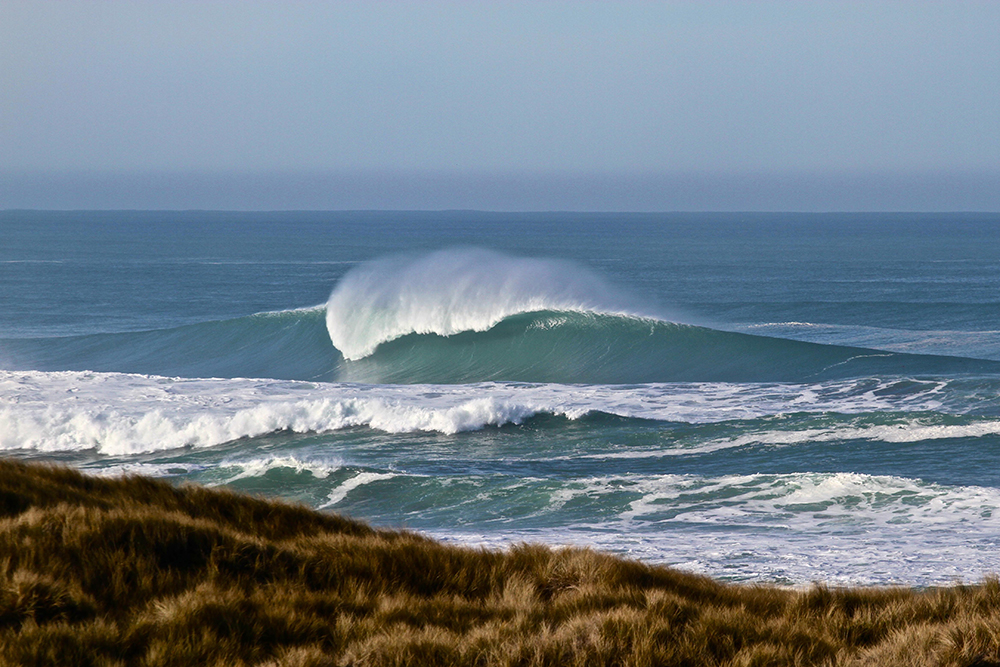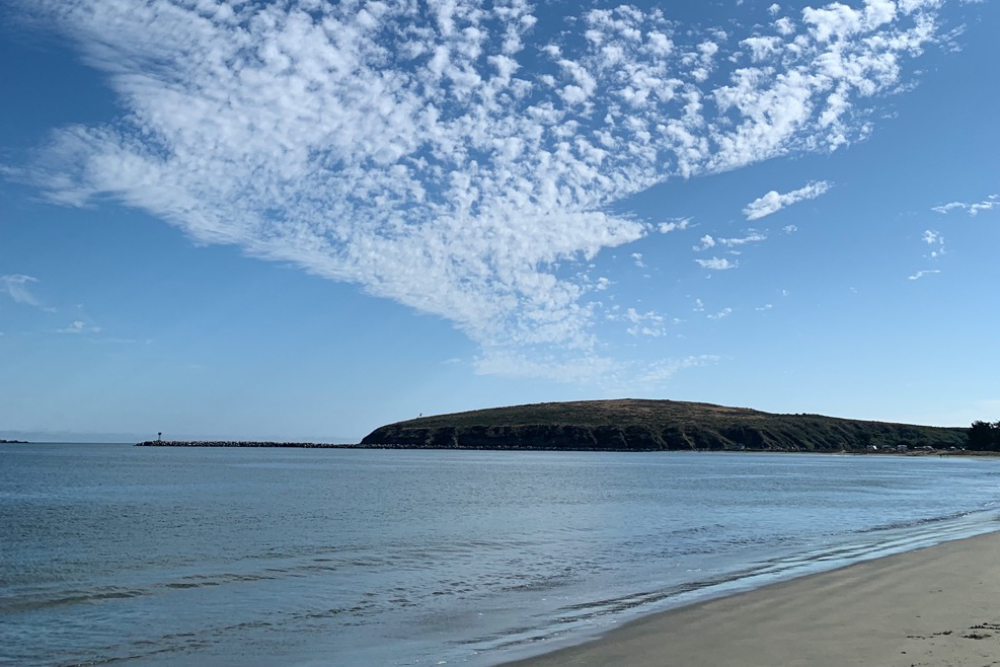
A deluge struck California over the holidays. With almost daily downpours, my rain gauge recorded thirteen inches in less than two weeks. Trees fell. Cables snapped. Thousands lost power. For a while, our neighborhood became an island, with roads flooded in every direction. During a typical winter, rain collects in shallow depressions in the land, called vernal ponds. This year entire fields turned to lakes.
Outdoors
Being Crabby
As I jog along a local beach, a raucous skirmish brings me to a full stop. In a furious duel for possession, two squawking gulls are tugging a Dungeness crab into the air. When their grip loosens, the hapless victim plummets—upside down, legs flailing---onto the sand....
The Blue Marble
In this season of gratitude, when we hold our loved ones close, blue marbles remind us of our wider home — the blue world that underpins our lives, joys, sorrows, dreams and aspirations. As we struggle to keep our balance in a whirl of social, political and environmental upheaval, a blue marble, shining with the grace of gratitude, can serve as a powerful anchor.
Do You Speak BIRD?
The chartered fishing boat plows through the swells due west from the Sonoma coast with nary an angler on board. Birders—sheathed in slickers, binoculars slung around their necks—line the railing. As my maiden voyage begins, cryptic cries erupt around me.
The Secret Life of Mudflats
Mud sucks—literally. On land, it squishes underfoot and slimes your shoes. In seaside shallows, it clutches your feet and tugs with the ferocity of an angry alligator.
I know. Wading back to shore after fieldwork with Bodega Marine Lab scientists in Tomales Bay, I lost my balance and plunged into what felt like slow-hardening concrete. Every time I tried to pry my foot loose, I lurched back into the sludge. A graduate student reached out to help—only to skid into the ooze next to me.
Fly like a Raptor
Once again they are on the wing. Along the Pacific Flyway—a 4,000-mile corridor stretching from Alaska to Baja— millions of birds of many feathers and forms are flying south to warmer climes. But none dazzle the eye and stir the soul more than raptors, meat-eating birds of prey that include falcons, hawks, vultures and eagles.
The Season of the Shark
‘Tis the season, not just for spooky ghosts and goblins, but far scarier creatures that prowl along the California coast. During Sharktober, which extends from September to November, great white sharks, the largest predatory fish on the planet, are on the hunt.
Every year these lords of the deep migrate more than a thousand miles from a zone east of Hawaii known as the “White Shark Cafe.” Their destination: the Red Triangle, a swath of ocean stretching from Bodega Bay in the north to the Farallones Islands in the west and Monterey Bay in the south. The cold, nutrient-rich waters of the Greater Farallones National Marine Sanctuary nourish a rich array of marine life, including seals and sea lions that lure great whites eager to feed heavily and build strength and stamina for the winter months.
What Caused the Sea Star Apocalypse?
The carnage began in 2013. The victims were the multi-armed, jewel-bright sea stars that glisten along the West Coast of North America. They suffered a gruesome decline: oozing lesions, arms twisting into odd shapes and sometimes breaking away, bodies dissolving into a mucus-like white goo.
As vast colonies vanished, ocean floors resembled macabre battlegrounds, strewn with detached limbs and pulpy flesh. Not even those in captivity were safe. Sea stars died in public aquariums, visitors’ centers, university laboratories. By 2017, Sea Star Wasting Syndrome had spread from Alaska to Mexico, with the toll soaring from millions to billions.
Fog: From Both Sides Now
In Carl Sandburg’s classic poem, the fog arrives “on little cat feet,” sits silently and moves on. But on the Northern California coast, fog doesn’t tiptoe. It billows and pounces. It sweeps over ridges and tumbles down ravines. It slithers up estuaries, rafts on the tides, trundles through the Golden Gate. And like a clueless houseguest, it overstays its welcome, lingering from Gray May through June Gloom into the month known elsewhere as August. We call it Fogust.
I used to resent the hulking thief that stole the summer skies. But after decades in its moist embrace, I’ve learned to look at fog, made of water droplets just like a cloud, from both sides — and to appreciate its unexpected gifts.
Saving White Abalone–Again
The first time I held a white abalone, its muscular foot pressed into my palm, its shell lifted, and two googly black eyes and flexible tentacles emerged. But even more remarkable than the endearing appearance of this iconic sea snail is its survival.
In the 1960s and ’70s, white abalone—prized for their tender meat and iridescent mother-of-pearl shells—were overfished almost to extinction. Today, there are more in captivity than in their home waters off the coast of Baja. But a sudden cutoff of federal funding to the keystone breeding program has put this mollusk at risk—again.