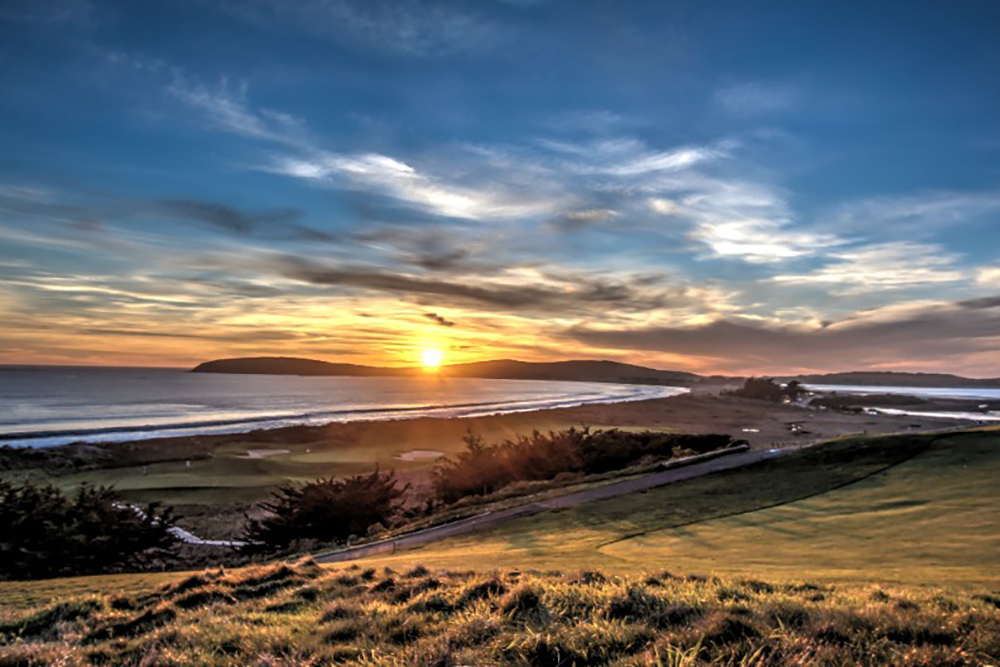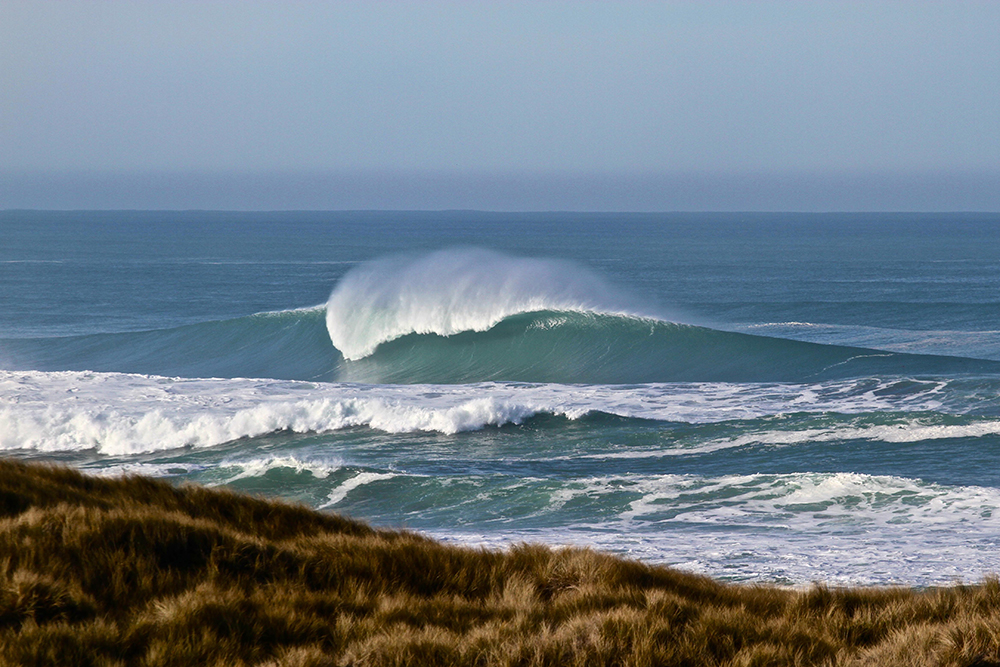

The Kings are coming. As the new year begins, the highest tides of the year along the Northern California coast surge ashore—swirling across jetties, smashing against cliffs, engulfing beaches, inundating mudflats, pummeling piers. Their watery domain extends so far inland that it seems, for a moment, as if the world is being remade.
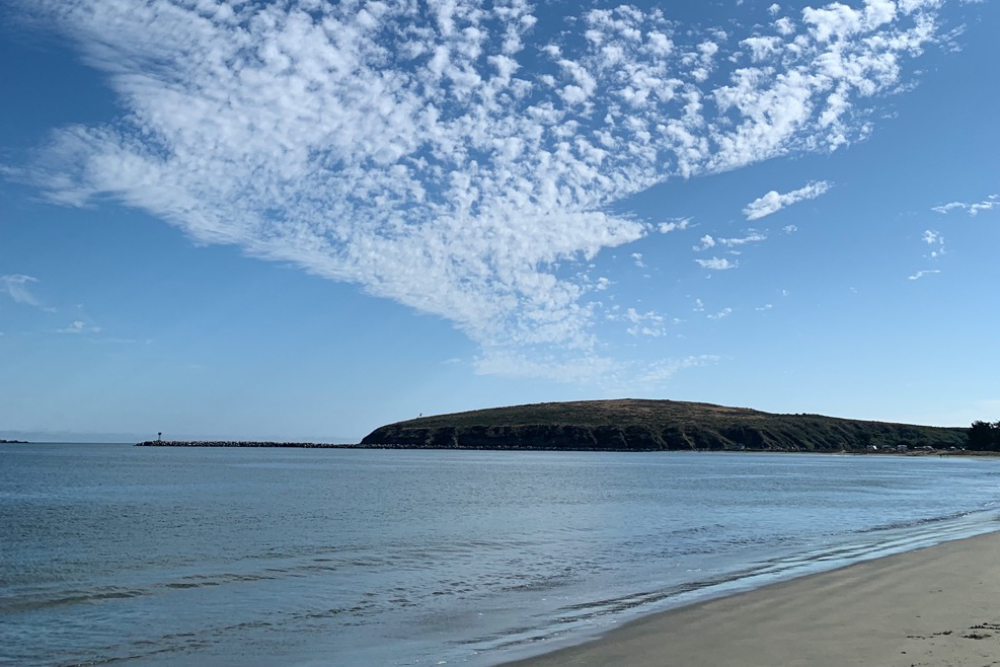
When the tide retreats, logs lie tossed like twigs along the shore. Tangles of kelp cling to rocks. The sand where the sea pranced shimmers like a vast mirror reflecting a silvery sky. Newly exposed tidepools reveal an underwater realm rarely touched by air or light–a window into the secrets of the deep.
These are King Tides: the highest and lowest of the year. Like all tides, they rise and fall to the gravitational tango of the moon and the sun. Each month, during new and full moons, their alignment with Earth produces “spring tides,” higher than average.
When this celestial meeting coincides with the moon’s perigee—its closest approach to our planet—and Earth’s perihelion, when it is nearest the sun, the combined pull magnifies the tide by one to two feet. Add strong winds or an atmospheric river barreling across the Pacific, and the waters crest even higher.
King Tides themselves are not caused by climate change, but they provide a rough preview of its impact on sea levels. According to state projections, median sea levels along the California coast could rise between 0.8 and 1.2 feet by 2050 and between 3.1 and 6.6 feet by 2100.
For fifteen years, the California King Tides Project, part of a global network of similar initiatives, has been working to make this future visible. The idea is simple and powerful: invite citizens to photograph and share what they observe during extreme high tides. The flooded fields, submerged roads and wave-battered homes that they document a few times a year could become a daily reality.

Many communities in flood danger zones aren’t waiting to see what the future might bring. Some are building seawalls or installing larger pump stations. Others are turning to nature-based solutions, such as restoring wetlands and marshes to absorb wave energy and buffer storm surge.
Although I applaud these efforts, I often think of another king: Canute, who ruled England, Denmark and Norway in the 11th century. In a famous legend, he placed his throne on the shore and commanded the incoming tide to halt. The indifferent sea continued its advance.
This story is often told as a warning against arrogance. But historians describe Canute as a wise ruler who understood exactly what would happen. His point was not to assert his power over the sea, but to demonstrate its limits. Afterward, he removed his crown and placed it on an altar as acknowledgement of a force greater than any monarch.
King Tides, in all their power and glory, offer the same lesson. No wall of concrete, no feat of engineering, no triumph of technology can force the restless sea to stop. Our challenge, as tenants on a blue planet, is not to defeat the tides—but to learn how to live wisely within the kingdom they are reshaping.